

All About Swelling After a Facelift: Timeline and Management
September 25, 2026
Understanding Swelling After Facelift Surgery: Biological Causes and Tissue Response
Managing swelling after facelift surgery is a normal, expected part of the facial rejuvenation process. Post-operative swelling typically peaks between days 3 and 4 before steadily subsiding, with the vast majority of noticeable edema resolving within 10 to 14 days. Full tissue settling and subtle refinement continue over several months. To help reduce fluid buildup during recovery, patients should maintain continuous 30- to 45-degree head elevation, use cold compresses during the first 48 hours, wear supportive compression garments as directed, and follow their surgeon’s personalized aftercare instructions.
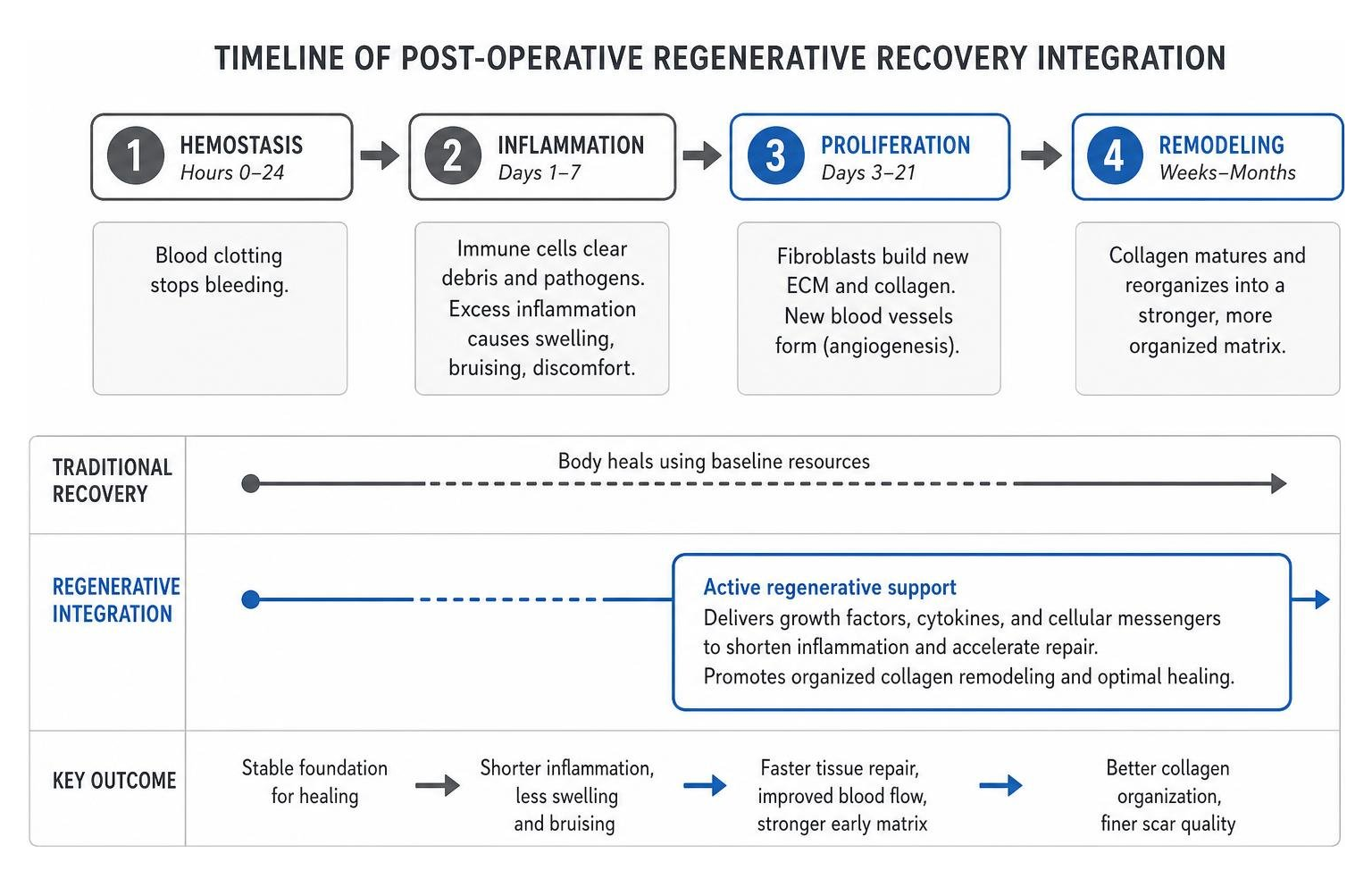
When undergoing a rhytidectomy, particularly an advanced deep plane facelift, swelling is the body’s natural, protective physiological response to surgical manipulation. During the procedure, surgical dissection temporarily divides microscopic capillary beds and delicate superficial lymph channels. In response, your immune system releases biochemical messengers such as histamine, bradykinin, and prostaglandins. These inflammatory mediators cause local micro-vessels to dilate and become more permeable, allowing specialized white blood cells, nutrients, and repair proteins to enter the surgical field. As these fluids move into the extracellular space, interstitial fluid accumulation creates localized postprocedural edema.
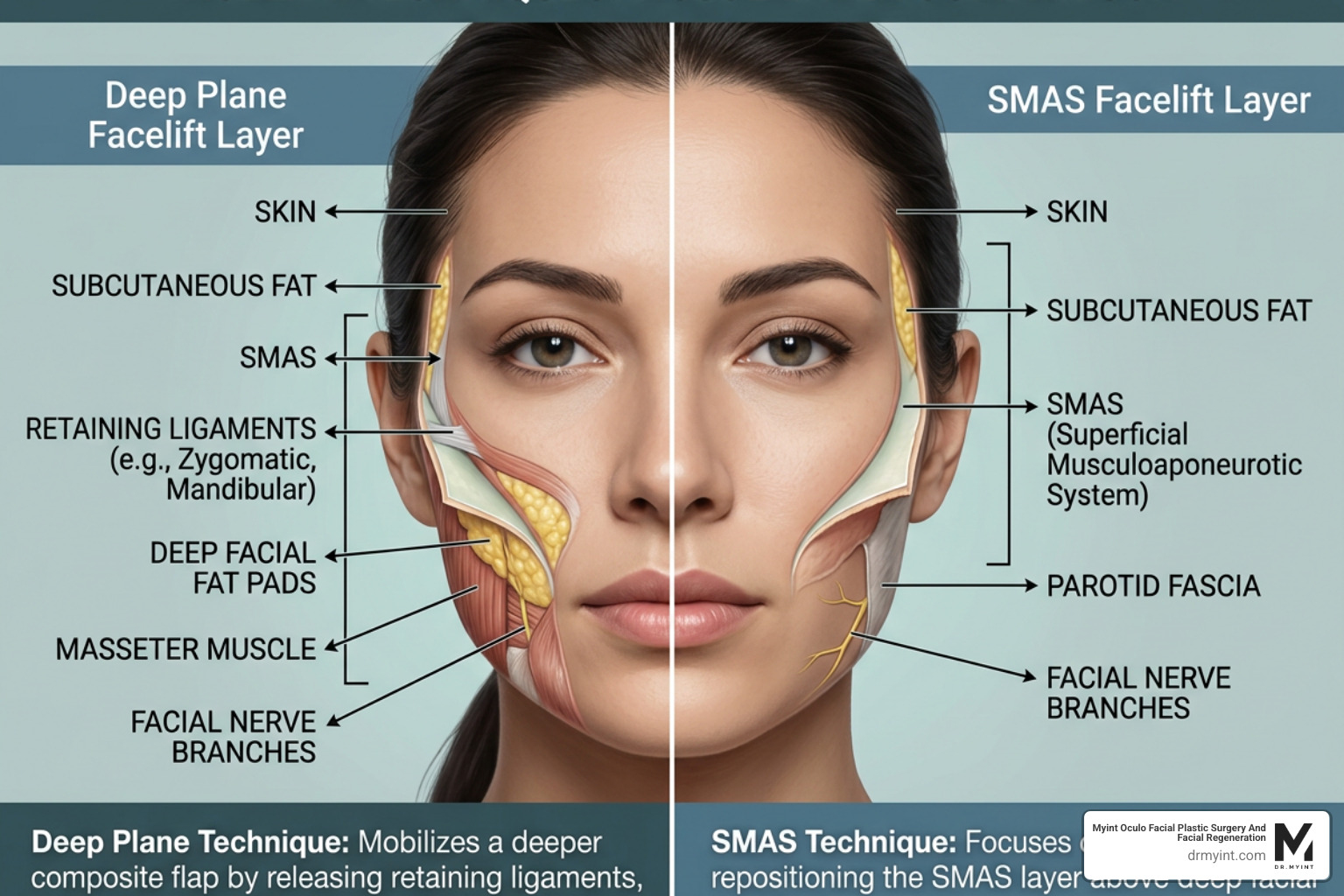
In deep plane techniques, the deeper muscular and structural layers are repositioned without pulling the skin under tension. This structural shift provides longer-lasting, natural contours, but moving deeper anatomical planes can temporarily affect normal fluid clearance while tissues recover. Fluid that once moved freely through local facial and neck pathways may clear more slowly until swelling decreases and soft tissues settle.
| Characteristic | Early Soft Swelling | Later Tissue Firmness |
|---|---|---|
| Tissue Texture | Soft, compressible, doughy | Firm, dense, less compressible |
| Finger Indentation | May leave a temporary depression | Usually rebounds with little or no indentation |
| What It Reflects | Watery fluid in the healing tissues | Protein-rich repair tissue and newly formed collagen |
| Typical Phase | Days 1 through 14 | Weeks 2 through 8+ |
| Resolution Rate | Gradually improves in the early recovery window | Softens gradually as collagen remodels over months |
Recognizing these fluid dynamics helps differentiate between early soft swelling and later structural firmness.
Why the Chin and Neck Feel Hard or Tight Post-Surgery
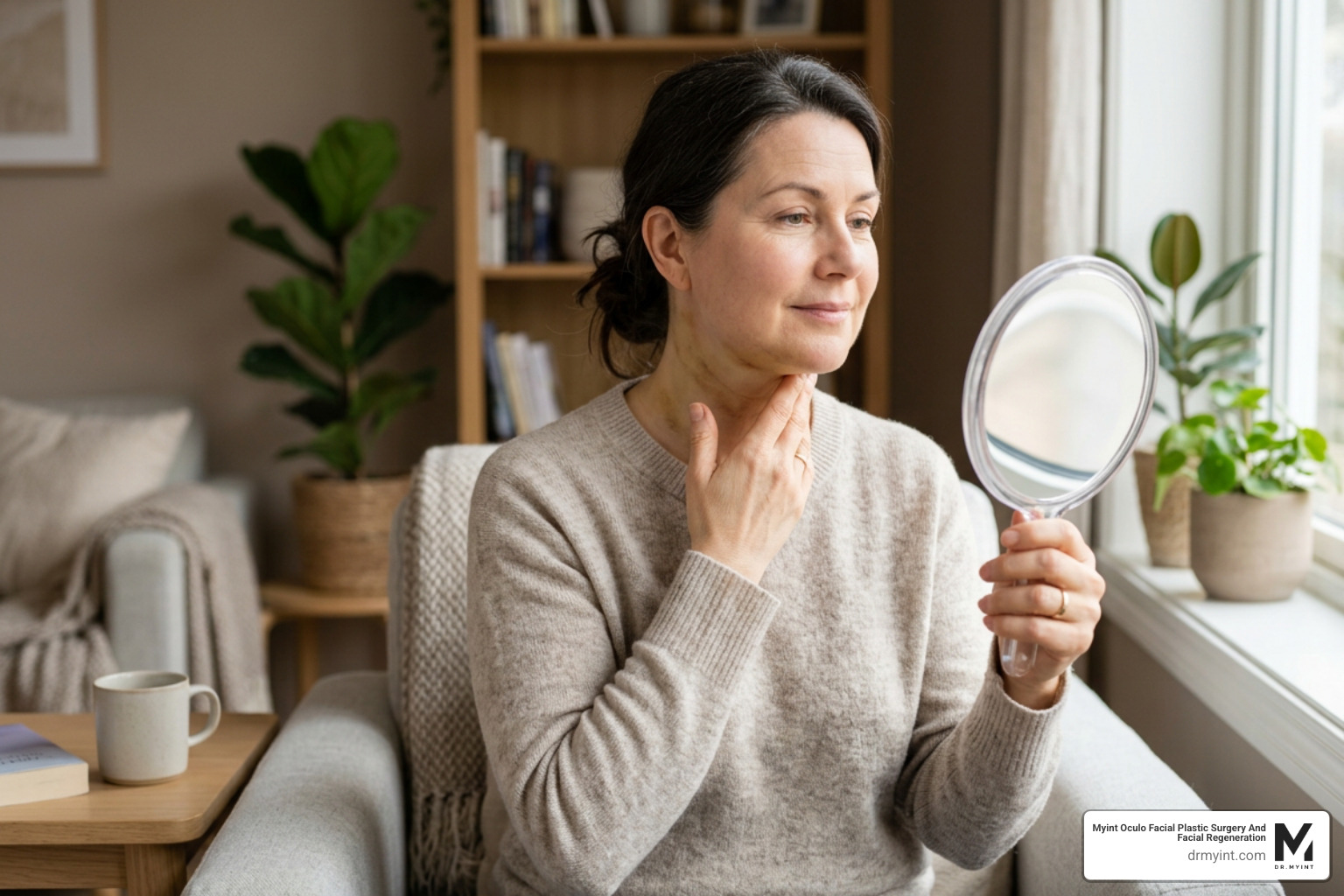
Many patients notice an unexpected sensation between weeks 2 and 6: the jawline and neck feel tight, woody, or slightly uneven. It can feel as though a tight collar is wrapped beneath the chin. This is a normal stage of soft tissue repair rather than a setback.
As the early watery swelling clears, specialized cells called fibroblasts produce a thick matrix of immature type III collagen to anchor the repositioned tissues. At the same time, myofibroblasts gently contract to stabilize the area. When dense collagen fibers interact with lingering, localized fluid, post-facelift hardness and tightness naturally develops. Understanding how long tightness lasts after neck lift surgery helps provide reassurance during this phase of recovery. These rope-like bands and firm patches gradually soften as the collagen matures into flexible type I fibers.
Post-Operative Recovery Timeline: From Day 1 to Month 12
Facial healing is a progressive biological journey. Navigating the facelift healing process is smoother when you know what milestones lie ahead week by week.
Day-by-Day Progression of Swelling After Facelift
Knowing what to expect before and after a facelift helps you plan time away from work and social commitments with confidence:
- Day 1 to 2: Bandages are checked or changed. Prescription pain medication easily manages surgical discomfort. Facial tissues begin expanding as the inflammatory response activates.
- Days 3 to 4 (The Swelling Peak): Swelling and bruising reach their height during this window. Facial volume looks fullest, and features may look round or puffy. This is a normal immune response. Cold therapy and head elevation are most helpful here.
- Days 5 to 7: The sharp upward curve of swelling reverses. Most patients transition completely off prescription narcotics to mild over-the-counter options. Sutures around the ears or eyelids are assessed or removed. By day 7, approximately 80% to 85% of patients report an 80% or greater improvement in early swelling.
- Days 8 to 14 (Social Recovery Window): Swelling decreases substantially. By day 14, 95% of patients regain 95% or more of their natural baseline facial volume. Light mineral makeup can conceal residual yellowish bruising, and many patients feel ready to return to desk work and low-key social settings. Learning when will swelling subside after neck lift surgery helps set realistic expectations for lower facial refinement.
Mid-Term and Long-Term Tissue Maturation (Weeks 3 to 12+)
After the first month, tissue healing shifts from active fluid management to internal remodeling:
- Weeks 3 to 6: Tissue firmness under the jawline and neck reaches its peak as new collagen networks form. Swelling can fluctuate slightly between morning and evening, appearing a bit fuller after physical activity or warm showers.
- Weeks 6 to 12: Deep tissues soften and regain flexibility. Skin glide improves, and the refined lines of the jawline, midface, and neck become much more defined. Reviewing how long is the recovery time for neck lift surgery provides clear insights into the deeper structural changes taking place during this period.
- Months 3 to 12: Subtle micro-swelling and temporary sensory changes gradually resolve. Sensory nerves continue to regenerate, restoring normal sensation across the cheeks and ears, revealing your final, natural surgical result.
Effective Management Protocols to Speed Recovery and Reduce Edema
Recovering smoothly requires proactive, careful at-home care. Finding the best way to reduce swelling after facelift surgery comes down to consistent, surgeon-guided habits.
- Maintain Continuous Head Elevation: Keep your head elevated at a 30- to 45-degree angle day and night for the first two weeks. Gravity facilitates natural venous and fluid drainage away from the face toward the central chest vessels.
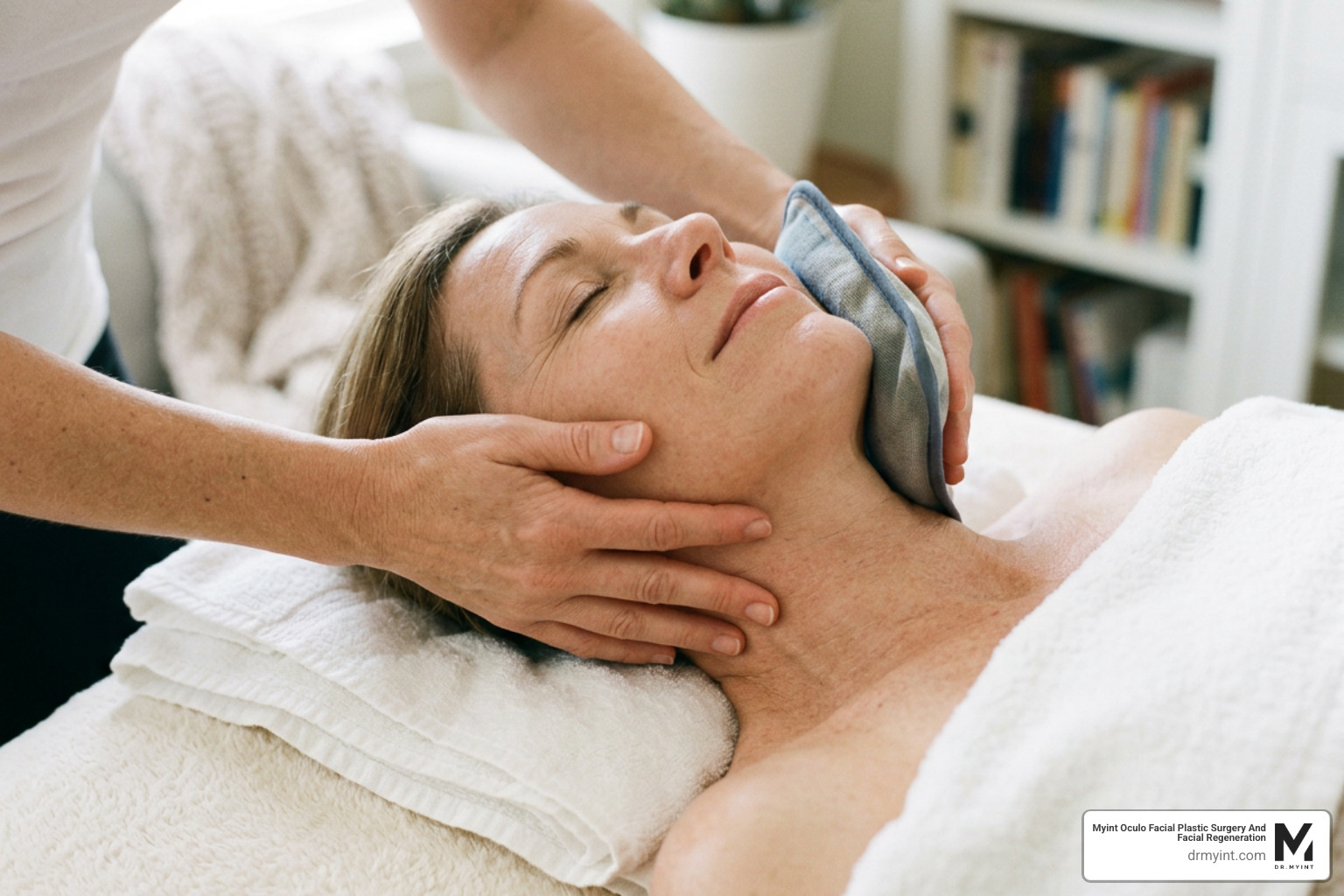
- Use Compresses Appropriately: During the first 48 hours, apply gentle cold compresses for 15 to 20 minutes per hour to constrict leaky capillaries. Never place ice directly on numb skin. After 48 hours, transition away from cold therapy unless your surgeon gives different instructions.
- Wear Your Compression Garment Correctly: A fitted post-surgical facial garment provides gentle, continuous pressure. This prevents fluid from pooling in newly created anatomical spaces while supporting repositioned contours. Avoid overtightening the garment, which can compress superficial vessels and slow circulation.
- Stay Hydrated and Walk Gently: Light, flat walking around your home boosts systemic circulation without raising blood pressure, helping clear cellular waste products.
Activities, Habits, and Foods to Avoid During Recovery
Protecting your results requires avoiding certain common triggers that can worsen swelling:
- High-Sodium Foods: Excess dietary sodium causes fluid retention, leading to sudden swelling fluctuations in healing facial tissues.
- Strenuous Exercise and Heavy Lifting: Running, weight training, or bending over increases cephalic venous pressure, which can tear delicate healing micro-vessels and trigger secondary swelling or bleeding.
- Alcohol and Nicotine: Alcohol dilates peripheral blood vessels and increases fluid leakage. Nicotine constricts micro-vessels, depriving healing incisions of oxygen and significantly increasing the risk of wound breakdown and scarring.
- Hot Environments: Saunas, steam rooms, hot tubs, and prolonged hot showers trigger facial flushing and fluid accumulation. Protecting your healing skin also requires following fundamental strategies for maintaining plastic surgery results.
Frequently Asked Questions About Facelift Recovery
When does swelling peak after a facelift?
Post-surgical swelling typically peaks between post-operative days 3 and 4. Fluid accumulation builds during the first 72 hours as inflammatory mediators rush to the surgical sites, before steadily subsiding over the following week.
When can I return to work and social activities?
Most patients feel comfortable returning to non-strenuous jobs and low-key social settings around days 10 to 14. By this stage, bruising can be concealed with light makeup, and the vast majority of noticeable swelling has resolved.
Can sleeping flat increase post-surgical facial swelling?
Yes. Lying flat removes the benefit of gravity, causing fluid to pool in the tissues of your cheeks, eyes, and neck. Sleeping with your upper body elevated at a 30- to 45-degree angle using a wedge pillow helps facial fluids drain smoothly downward.
Conclusion
Understanding the phases of post-surgical healing helps replace uncertainty with confidence. While early swelling, temporary firmness, and fluctuating tightness can feel unusual, they are standard parts of the body’s natural repair process. By following your post-operative instructions, keeping your head elevated, wearing your compression garments as advised, and staying in close contact with your surgical team, your facial tissues will heal smoothly.
At Myint Oculo Facial Plastic Surgery and Facial Regeneration, Dr. Shoib Myint combines dual fellowship expertise with advanced regenerative techniques to deliver balanced, natural facial rejuvenation across our Las Vegas, Nevada and Beverly Hills, California practices. If you are considering facial rejuvenation, schedule a consultation for deep plane facelift surgery with our team to create a personalized treatment and recovery plan tailored to your goals.