

An Essential Guide to Regenerative Medicine for Facelift Recovery
July 14, 2026
What Is a Regenerative Facelift and How Does It Differ From Traditional Surgery?
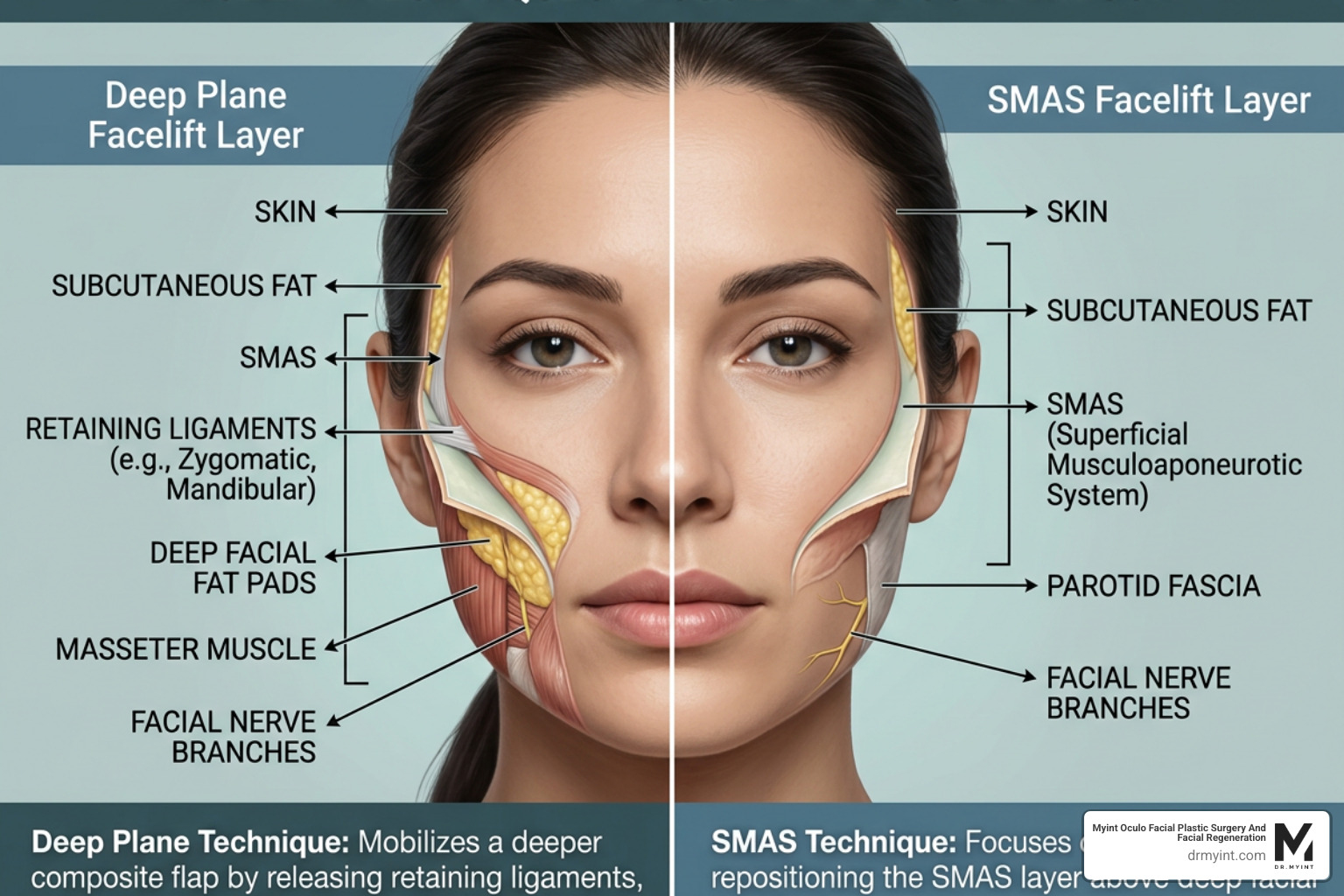
To understand why regenerative medicine is transforming facial plastic surgery, we must first look at how traditional facelifts work. A standard surgical facelift is fundamentally a mechanical procedure. The surgeon makes incisions, lifts the underlying muscle and connective tissue layer—known as the Superficial Muscular Aponeurotic System (SMAS)—repositions it to a more youthful location, and trims away the excess skin.
While this mechanical lifting is highly effective for correcting structural sagging, jowls, and a lax neck, it has a significant limitation: it does not improve the biological quality of the skin. It cannot restore lost dermal thickness, erase fine crêpey wrinkles, or bring back the vibrant microcirculation that gives youthful skin its natural glow.
A regenerative facelift, by contrast, is a hybrid procedure. It combines structural surgical repositioning (such as our advanced deep plane facelift techniques) with biological therapies designed to rebuild the skin’s architecture from the inside out. Instead of simply stretching depleted skin over a hollowed facial frame—which can sometimes lead to a tight, artificial, or “pulled” look—we use the body’s own regenerative cells to restore three-dimensional volume and cellular health.
Mechanical Lifting vs. Biological Rejuvenation
The key to a completely natural-looking result lies in addressing both the deep foundation and the overlying skin surface:
- The Foundation (Mechanical): We surgically reposition the deep SMAS layer and muscle tissues. This resets the structural contours of the jawline, cheeks, and neck, reversing the downward pull of gravity.
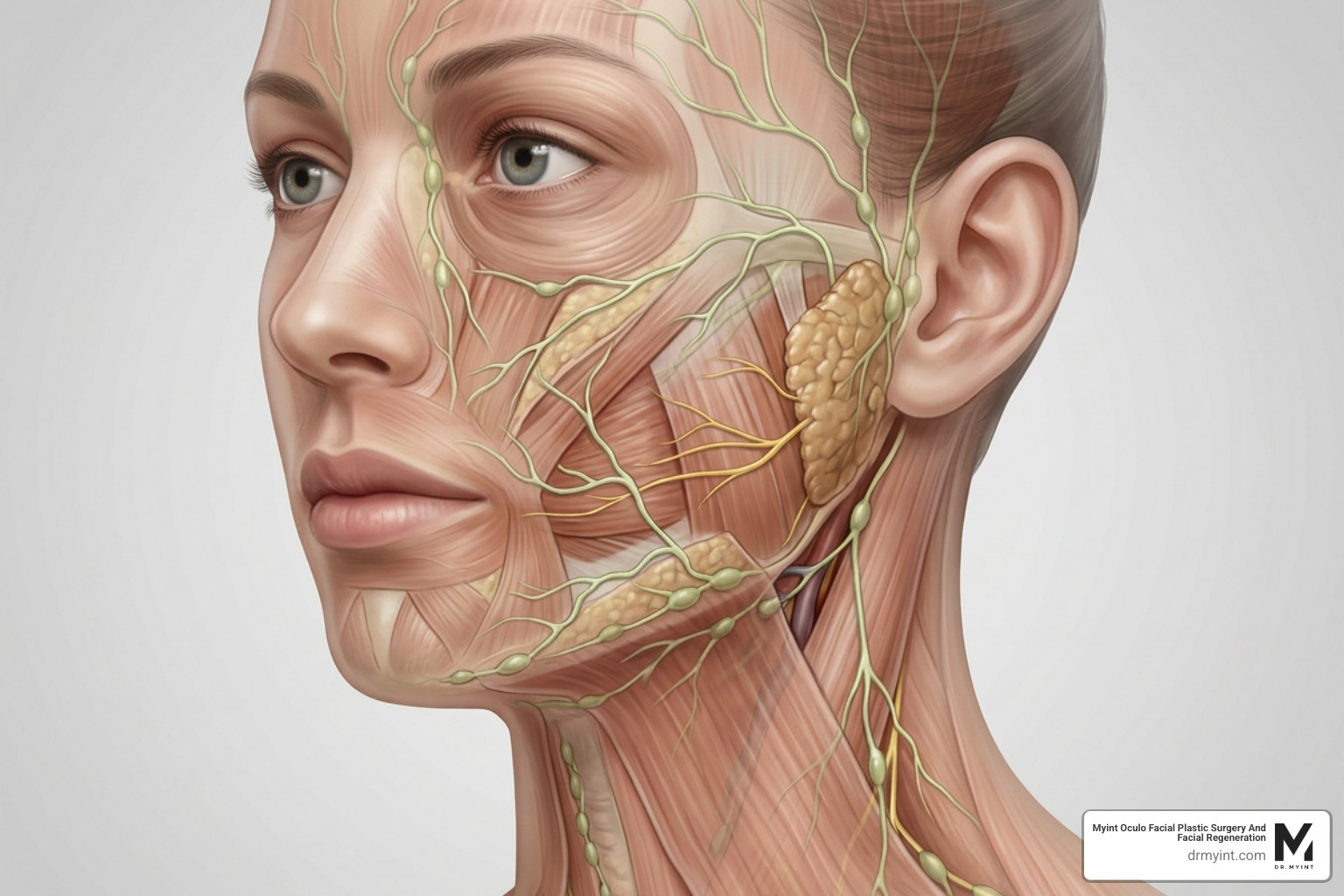
- The Surface (Biological): We introduce regenerative elements directly into the dermal and subdermal layers. This triggers cellular-level repair, stimulates new blood vessel formation, and promotes the synthesis of fresh collagen and elastin.
By combining these two approaches, we ensure that the face is not only lifted but also biologically rejuvenated. This comprehensive approach is a key part of understanding what to expect before and after a facelift.
The Role of Nanofat and Microfat
A cornerstone of the regenerative facelift is the strategic use of autologous fat-derived components, which we harvest and process right in our clinic. We categorize these into microfat and nanofat based on how they are processed and where they are applied:
- Microfat (Structural Volume): Microfat consists of tiny, intact fat cell clusters. We inject microfat into the deeper facial planes—such as the cheeks, temples, and deep folds—to restore the natural volume lost to bone resorption and fat pad atrophy. This creates a soft, youthful fullness that synthetic fillers simply cannot replicate.
- Nanofat (Cellular Regeneration): Nanofat is created by mechanically emulsifying harvested fat until the mature fat cells are broken down, leaving a highly concentrated, liquid-like serum. This serum is completely free of mature fat cells but is incredibly rich in stem cells, growth factors, and the stromal vascular fraction (SVF). Because it contains no large fat cells, we can inject nanofat superficially into the delicate upper layers of the dermis to erase fine lines, improve skin texture, and fade pigmentation.
How Do Stem Cells and Regenerative Biologics Accelerate Facelift Recovery?
The primary challenge of any major facial surgery is the recovery process. Swelling, bruising, and localized tissue inflammation are natural responses to surgical trauma. However, by introducing regenerative biologics at the time of surgery, we can actively intervene in the body’s healing cascade to make the recovery process faster, smoother, and more comfortable.
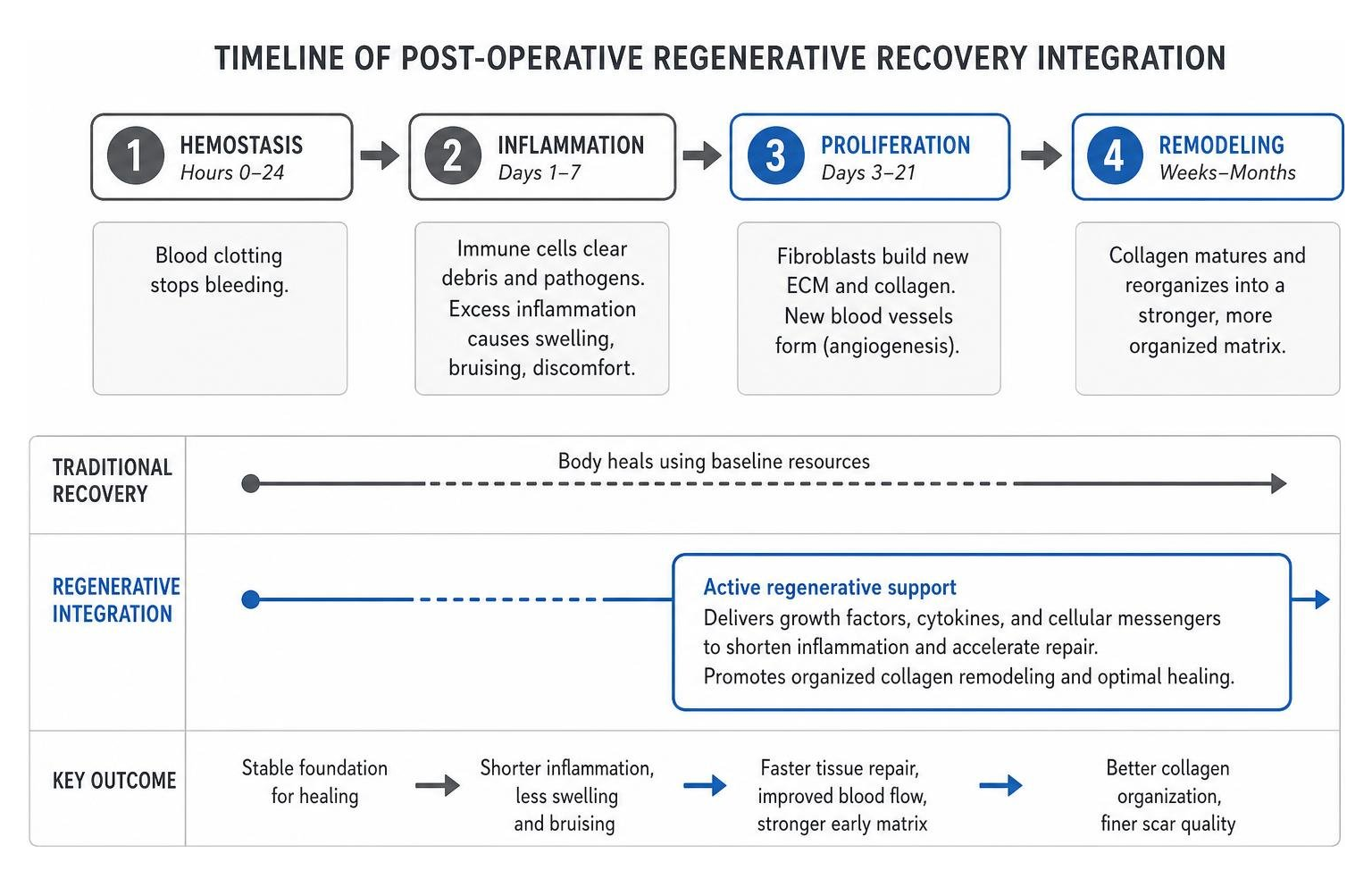
When we perform a facelift, the surgical incisions and tissue dissection temporarily disrupt the local blood supply. The body responds by releasing inflammatory signals, which lead to post-operative swelling and bruising. Regenerative therapies act as biological accelerators, rapidly shortening the inflammatory phase and kickstarting tissue repair.
Clinical research supports this proactive approach. Studies have shown that patients receiving autologous stem cell injections post-facelift experienced a 30% faster reduction in swelling and bruising compared to those who did not receive regenerative support. This scientific foundation is detailed in clinical reviews such as Regenerative and stem cell-based techniques for facial rejuvenation.
Adipose-Derived Stem Cells (ADSCs)
Adipose tissue (fat) is one of the richest sources of adult stem cells in the human body. Adipose-derived stem cells (ADSCs) are multipotent cells, meaning they have the unique ability to differentiate into various cell types needed for tissue repair.
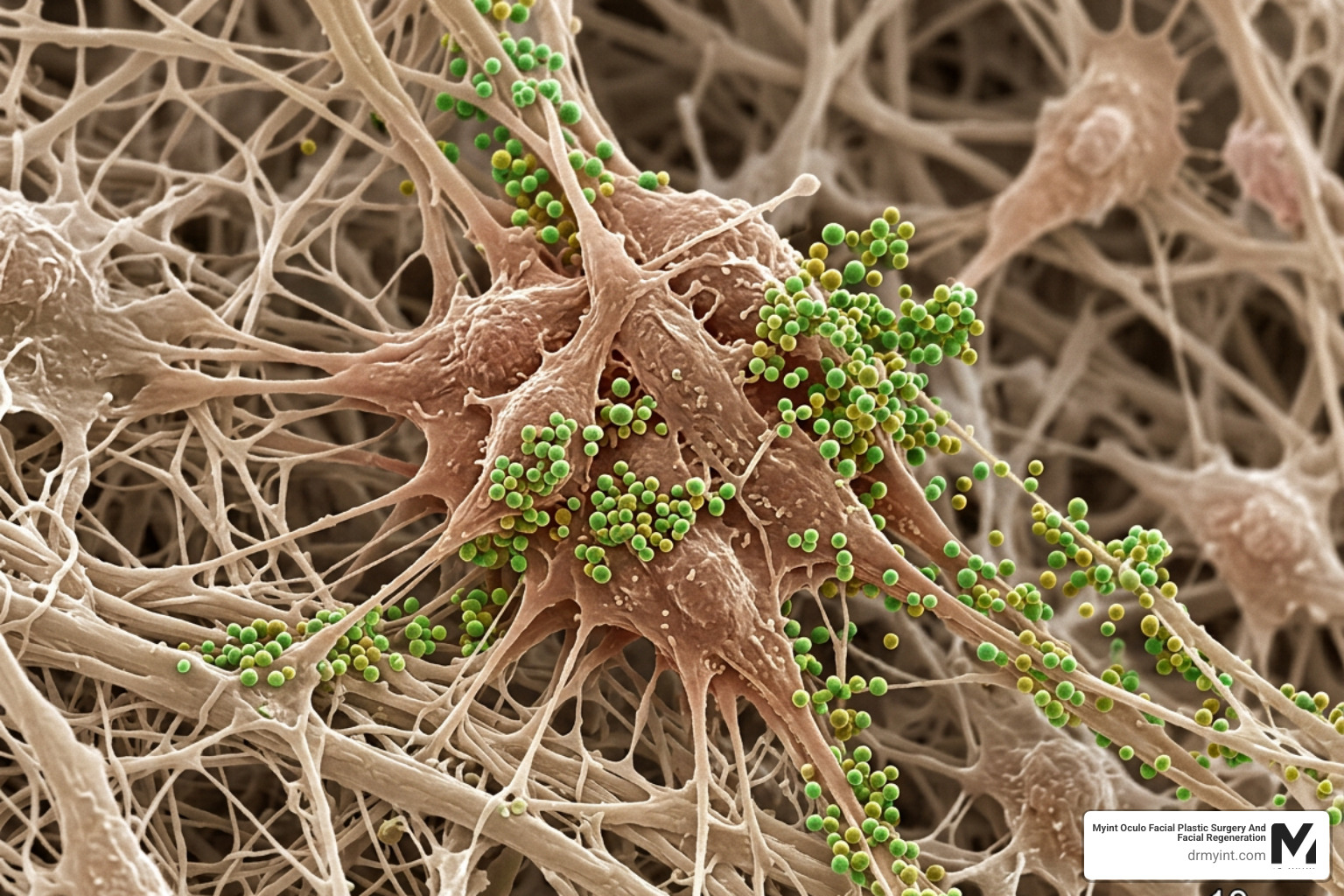
When applied during a facelift, ADSCs migrate to the areas of surgical trauma. Rather than just acting as physical building blocks, they function primarily as cellular “managers.” They release a continuous stream of signaling proteins—including vascular endothelial growth factor (VEGF) and transforming growth factor-beta (TGF-$beta$)—that coordinate the healing process, suppress excessive inflammation, and minimize the formation of thick, visible scars.
Platelet-Rich Plasma (PRP) and Exosomes
To further enhance the healing environment, we often incorporate platelet-rich plasma (PRP) and exosomes:
- Platelet-Rich Plasma (PRP): Often referred to as “liquid gold,” PRP is concentrated from a small sample of your own blood. It contains a high concentration of platelets, which release immediate growth factors upon application. This rapid release of signaling molecules helps seal micro-vessels, reduces early post-operative oozing, and provides an immediate boost to the healing process.
- Exosomes: Exosomes are nano-sized extracellular vesicles (ranging from 40 to 160 nanometers in diameter) that act as cellular communication messengers. They carry a concentrated payload of proteins, growth factors, and microRNA directly to target cells. Because they are not living cells themselves, exosomes can easily penetrate tissue barriers to deliver rapid, targeted instructions for cellular repair and regeneration.
Biological Mechanisms of Action
The synergy of these regenerative therapies targets three critical biological pathways:
- Anti-Inflammatory Signaling: Regenerative biologics actively suppress pro-inflammatory cytokines while promoting anti-inflammatory signals. This rapidly curbs post-operative edema (swelling), helping you feel more comfortable in the first few days after surgery. Understanding these pathways is essential when looking for what is the best way to reduce swelling after facelift surgery?
- Angiogenesis (New Blood Vessel Formation): The growth factors released by ADSCs and PRP stimulate the rapid formation of new micro-blood vessels. Restoring microcirculation to the lifted skin flaps ensures that the healing tissues receive a rich supply of oxygen and essential nutrients, which dramatically accelerates wound healing.
- Upregulation of Fibroblasts: Regenerative signaling triggers local fibroblasts to synthesize fresh, high-quality Type I and Type III collagen, as well as elastin. This biological rebuilding improves skin elasticity and thickness, ensuring your skin looks healthy and radiant as you heal.
What Does the Recovery Timeline Look Like With Regenerative Support?
Because regenerative medicine actively accelerates tissue repair, the recovery timeline for a stem cell-enhanced facelift is significantly compressed compared to traditional surgery. Most of our patients report returning to their normal daily activities 30–40% faster than those undergoing traditional facelifts. This means you can typically expect to return to work and social life within 10 to 14 days, rather than the three to four weeks often required after a standard facelift.
| Healing Milestone | Traditional Facelift Recovery | Regenerative-Enhanced Facelift Recovery |
|---|---|---|
| Peak Swelling & Bruising | Days 3 to 5; highly visible | Days 2 to 3; rapidly resolving |
| Social Presentability | 21 to 28 days | 10 to 14 days |
| Return to Light Exercise | 3 to 4 weeks | 2 weeks |
| Incision Line Softening | 3 to 6 months | 4 to 8 weeks |
| Final Structural Contours | 6 to 12 months | 3 to 6 months (with ongoing skin glow) |
Days 1 to 3: Managing Peak Swelling
The first 72 hours represent the peak of the body’s natural inflammatory response. While some swelling and bruising are completely normal, the anti-inflammatory signaling from the regenerative biologics helps keep this to a minimum.
During this initial phase, we advise you to rest quietly with your head elevated on a few pillows to assist lymphatic drainage. Keeping physical exertion to an absolute minimum is crucial during these first few days to prevent sudden spikes in blood pressure, which can cause swelling.
Days 4 to 7: Turning the Corner
By day four, you will begin to notice a significant shift. Bruising will start to transition from deep purple and blue to lighter shades of green and yellow.
As your comfort improves, you can begin taking short, gentle walks around your home to promote healthy circulation. We will guide you through gentle incision care, keeping the incision lines clean and hydrated to support optimal healing.
Weeks 2 to 6: Social Presentation and Scar Maturation
By the second week, the vast majority of our regenerative facelift patients feel completely comfortable returning to work, attending social gatherings, and running errands. Any residual, faint bruising can easily be concealed with light makeup.
During this period, you will notice the skin flap beginning to soften, and normal skin sensation will gradually start to return. While some patients ask, “will massaging my face after facelift surgery help with recovery?“, we always provide personalized guidance on when and how to safely begin gentle lymphatic massage to avoid disrupting the healing tissues.
Months 2 to 12: Long-Term Collagen Remodeling
While you will look wonderful at the one-month mark, the biological magic of regenerative medicine continues deep within the dermis for up to a year. As the injected stem cells and growth factors continue to stimulate collagen and elastin production, you will notice a progressive improvement in your skin’s texture, thickness, and overall “glow.” Your final structural contours will settle beautifully, supported by a healthy, resilient dermal foundation.
How Are Regenerative Therapies Sourced, Processed, and Applied?
To ensure the highest levels of safety and efficacy, we follow strict, standardized protocols for sourcing, processing, and applying all regenerative biologics. Every step of the process is performed on-site on the day of your surgery, adhering to a strict “same-day, same-patient” autologous workflow. This means we only use your own biological material, completely eliminating the risk of allergic reactions, tissue rejection, or cross-contamination.
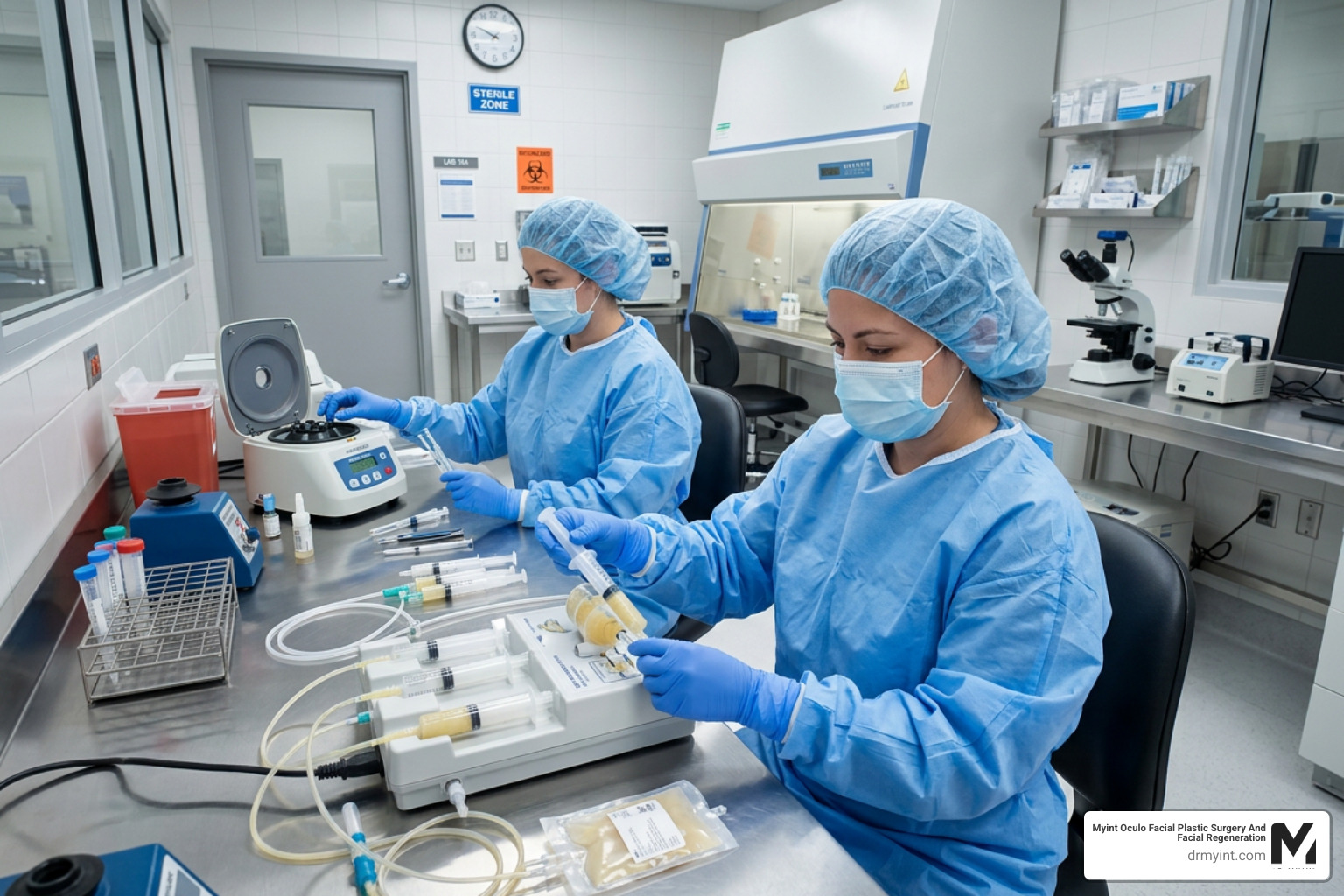
Our processing methods are designed to maximize cell viability while maintaining an entirely sterile, closed-system environment. This rigorous approach is aligned with the latest scientific standards in aesthetic medicine, as outlined in Harnessing Regenerative Science in Aesthetic Surgery: The Biologically Driven Future.
Step 1: Gentle Harvesting (Liposuction)
The process begins in the operating room, where we perform a very gentle, low-pressure liposuction to harvest a small amount of fat tissue. We typically select a donor site where excess fat is naturally present, such as the abdomen, flanks, or inner thighs.
Using specialized, blunt-tipped harvesting cannulas and hand-held syringes rather than high-vacuum mechanical pumps, we extract the fat with minimal physical trauma. This gentle harvesting technique is crucial, as it preserves the delicate cellular membranes of both the fat cells and the surrounding stem cells.
Step 2: Centrifugation and Emulsification
Once harvested, the fat tissue is immediately processed in our sterile clinical laboratory:
- Centrifugation: We place the harvested tissue into a specialized centrifuge to separate the pure, viable fat cells and regenerative cells from excess fluids, free lipids, and anesthetic solutions.
- Emulsification: To create nanofat, a portion of the purified fat is gently passed between connected syringes through a series of micro-filters. This mechanical process breaks down the large, mature fat cells while leaving the highly resilient stem cells and stromal vascular fraction (SVF) completely intact. The result is a smooth, golden, nutrient-rich liquid that can be safely injected through very fine needles.
Step 3: Targeted Application
During your procedure, we apply these processed biologics with artistic precision to address your specific anatomical needs:
- Deep Structural Grafting: We inject the purified microfat into the deep facial planes to restore youthful volume to the cheeks, temples, and jawline.
- Superficial Dermal Grafting: We gently graft the highly concentrated nanofat into the superficial layers of the skin, targeting fine lines around the mouth, under-eye hollowing, and areas of sun damage.
- Topical and Subdermal Biologics: We apply PRP or exosomes directly to the surgical incisions and any co-treated skin areas (such as after laser resurfacing) to maximize cellular absorption and accelerate surface healing.
For patients seeking a comprehensive approach to volume loss and skin rejuvenation, we often recommend our specialized micro-nano-fat facelift procedure.
How Can You Maintain Your Regenerative Facelift Results Long-Term?
A regenerative facelift is a significant investment in your confidence and appearance. Because we are using living cells to rebuild your facial structure, the results are incredibly long-lasting. Clinical data shows that fat grafts enriched with stem cells lead to significantly improved skin elasticity and enhanced volume retention one year after surgery compared to traditional fat transfer methods.
While the surgical repositioning resets the clock on aging, the natural aging process does continue. To protect your investment and maintain your youthful radiance for years to come, we recommend a proactive approach to long-term skin maintenance.
Daily Skincare and Sun Protection
The most critical factor in preserving your results is protecting your newly formed collagen from environmental damage:
- Broad-Spectrum SPF: Daily application of a physical, broad-spectrum sunscreen (SPF 30 or higher containing zinc oxide or titanium dioxide) is non-negotiable. UV radiation is the primary cause of collagen degradation and skin aging.
- Growth Factors and Peptides: Incorporating medical-grade skincare products rich in growth factors, peptides, and antioxidants helps support ongoing cellular repair and maintains the health of your skin. We can design a customized regimen for you, and we invite you to explore our curated Editrix skincare line, which is specifically formulated to support regenerative outcomes.
To learn more about how to optimize your post-operative skin health, you can read our detailed guides on how regenerative skincare boosts your facelift results and the role of skincare in maintaining facelift and eyelid surgery results.
Lifestyle and Environmental Factors
Your daily habits play a major role in how well your grafted cells survive and thrive over the long term:
- Maintain a Stable Weight: Because the grafted microfat behaves like natural fat tissue, significant weight fluctuations can alter your facial volume. Maintaining a stable, healthy weight ensures your facial contours remain beautifully balanced.
- Avoid Nicotine and Smoking: Nicotine causes immediate blood vessel constriction, which severely compromises microcirculation. This lack of oxygen and nutrients can impair the survival of grafted cells and accelerate skin aging. We require all patients to completely discontinue all nicotine products several weeks before and after surgery.
For practical, everyday tips on protecting your investment, check out our resources on how to maintain facelift results at home and how to adjust your routine during seasonal changes, such as our tips to maintain your facelift and eyelid surgery results during winter.
Who Is the Ideal Candidate for a Regenerative Facelift?
An ideal candidate for a regenerative facelift is someone who is looking to address both structural facial sagging and changes in skin quality or volume loss.

During your personal consultation in our Las Vegas, NV or Beverly Hills, CA clinic, we will perform a comprehensive anatomical evaluation to determine if this advanced approach is right for you. Dr. Myint’s dual-fellowship training allows him to customize your treatment plan, often combining a facelift with an eyelid lift or a neck lift to achieve complete, balanced facial harmony.
Indications for Regenerative Support
You may be an excellent candidate for a regenerative facelift if you present with:
- Structural Laxity: Visible jowls, loss of jawline definition, and sagging tissue in the midface or neck.
- Volume Depletion: Hollowing in the temples, cheeks, and under-eye areas that makes you look tired or aged.
- Diminished Skin Quality: Fine lines, crêpey skin texture, sun damage, or a loss of natural skin elasticity.
- A Desire for Faster Recovery: Patients who want to minimize post-operative downtime and return to their active lifestyles as quickly as possible.
Contraindications and Exclusions
To ensure your safety and achieve the best possible outcome, certain factors may exclude you from this procedure or require us to delay treatment:
- Active Nicotine Use: Patients who are unable or unwilling to completely stop smoking or using nicotine products (including vapes and patches) for the required pre- and post-operative windows.
- Uncontrolled Medical Conditions: Severe, uncontrolled autoimmune disorders, poorly managed diabetes, or active cardiovascular disease that could compromise surgical safety or wound healing.
- Active Infections or Oncological Treatments: Anyone currently undergoing active cancer treatments or experiencing active skin infections in the surgical areas.
Frequently Asked Questions About Regenerative Facelift Recovery?
Does regenerative medicine actually reduce bruising and swelling after a facelift?
Yes. Clinical studies and our own extensive clinical experience demonstrate that autologous stem cell, nanofat, and PRP applications can reduce post-operative swelling and bruising by up to 30%. By rapidly suppressing inflammatory pathways, sealing micro-vessels, and accelerating the restoration of healthy microcirculation, these biologics help you heal much faster than with traditional surgery alone.
Is stem cell-enhanced facelift recovery safe, and what are the risks?
Yes, when performed by a qualified, experienced facial plastic surgeon, the procedure is exceptionally safe. Because we use autologous (your own) fat-derived stem cells and PRP processed in a sterile, closed-system environment, there is virtually zero risk of allergic reaction, tissue rejection, or disease transmission.
The minor risks associated with the regenerative portion of the procedure are similar to standard fat grafting, which may include temporary localized asymmetry, mild variability in fat absorption, or temporary numbness. These are typically mild and resolve on their own during the early weeks of your recovery.
How much does a regenerative facelift cost, and is it covered by insurance?
Because a regenerative facelift combines advanced, deep plane surgical techniques with specialized, sterile laboratory processing of autologous biologics, the overall cost is typically higher than a traditional facelift. The exact investment varies based on the extent of your surgical plan, the specific biologics utilized, and whether we combine the facelift with other procedures like an eyelid lift.
As a purely cosmetic procedure, a regenerative facelift is not covered by health insurance. However, we offer a variety of flexible financing options to help make your treatment plan fit comfortably within your budget.
Conclusion
The field of facial rejuvenation has entered a new era. We are no longer limited to simply pulling and tightening aging tissues. By combining deep plane surgical mastery with the cutting-edge science of regenerative medicine, we can now address both the structural foundation and the biological health of your face.
A regenerative facelift does more than just make you look younger—it restores the natural volume, cellular health, and radiant glow of youthful skin, all while significantly shortening your recovery time.
Achieving a natural, beautiful result requires a delicate balance of surgical skill and scientific expertise. Dr. Myint’s dual-fellowship training and 20+ years of dedicated expertise in facial plastic surgery and regeneration make our clinic uniquely qualified to guide you on this journey. Whether you visit us in Las Vegas, NV or Beverly Hills, CA, we are committed to providing a highly personalized, safe, and transformative experience.
If you are ready to explore how regenerative medicine can elevate your facelift results and give you a faster, smoother recovery, we invite you to take the next step. Contact us today to schedule your comprehensive consultation, and let us design a customized facial regeneration plan tailored uniquely to you.